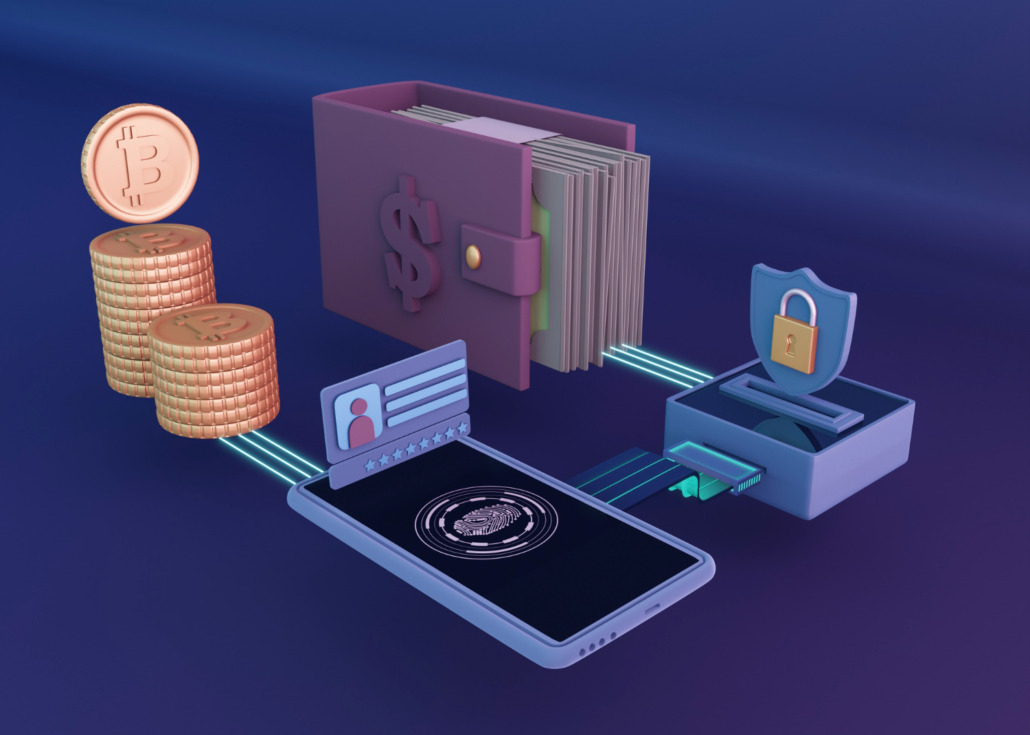
Multichain Wallets: Why a dApp Browser, NFT Support, and Social Trading Change the Game
Atualizado em 3 de junho de 2026 por Redação
Okay, so check this out—I’ve been poking around a bunch of wallets lately. Whoa! Some feel slick. Some feel like a crypto museum. My instinct said go with convenience. But then I tripped over two problems: weak dApp integration and clunky NFT handling. Initially I thought flashy interfaces were the main win, but then I realized that real value comes from how a wallet connects you to apps, communities, and trades in a way that feels natural and secure.
Here’s what bugs me about a lot of wallets. They claim to be multichain, yet switching networks is painful. Really? You tap, wait, confirm, and pray. Wallets should abstract friction, not add it. On the other hand, too much abstraction can hide risk—so there’s a balance to strike. Hmm… my gut said that a good dApp browser should feel like a native app inside your wallet, not a clumsy overlay that redirects you to a sketchy site.
So let’s break down the three pillars: the dApp browser, NFT support, and social trading. I’ll be honest—these features are interdependent. You can’t just bolt on an NFT viewer and call it a day. Nope. You need seamless signing flows, clear provenance displays, and community signals that help you decide who to trust.

Why the dApp Browser Matters
Short answer: it’s the gateway. Seriously? Yes. A robust dApp browser is the on-ramp that connects users to Defi protocols, games, NFT marketplaces, and more, without forcing them through a dozen external approvals. It should sandbox permissions, show contract code snippets when relevant, and cache verified dApp badges. Medium-sized features like network auto-switching and gas preview save users tons of frustration. Long story short, the browser must be both friendly and forensic, so users can act fast while still evaluating risk with a few taps.
On one hand, native dApp support reduces friction and improves UX. On the other hand, a naive dApp implementation increases attack surface. So wallet teams need to design the browser with layered defenses, including transaction simulation, phishing detection, and transaction intent confirmations that explain exactly what a contract call will do (transfer tokens vs. approve unlimited allowances, for example). Initially I thought trustless meant “no help,” but actually, users benefit from contextual guardrails that teach and protect.
NFT Support: Beyond Pretty Pictures
NFTs are not just art. They’re tickets, keys, and occasionally receipts. Wow! Managing them requires more than a gallery screen. Yes, visual thumbnails are nice. But metadata integrity, provenance chains, and lazy-mint handling are the meat of the problem.
For collectors and creators alike, the wallet should display on-chain provenance, detect mutable metadata, and flag royalties or marketplace restrictions. A good wallet will also let you batch-sign marketplace approvals safely, with clear confirmations for each step. Hmm… something felt off the first time I tried to list several items and the app asked for a blanket approval. My reflex was to deny, but many users will blindly accept—so design matters.
Also: off-chain storage (IPFS, Arweave) links should be presented with accessibility checks and fallback previews. If the media is missing, the wallet can still show cached thumbnails and provenance, so users aren’t blindsided. And of course, cross-chain NFTs are becoming a thing; an advanced wallet will let you view bridged assets and show the originating chain, the bridge used, and any known trust warnings.
Social Trading: Community Meets Capital
Social trading is the feature that transforms wallets into communities. Think leaderboards, copy-trading, post-trade chats, and verified trader badges. Really? Yep. When done right, social trading turns a solitary portfolio into a shared learning experience. But it can also amplify poor decisions if leaderboard metrics are shallow (e.g., raw returns without drawdown context).
Here’s the nuance: allow copying of trades, but require slippage and risk settings per copy relationship. Provide historical performance with standard metrics (max drawdown, Sharpe-ish ratios, win rate) and show on-chain evidence of trades. On the other hand, protect privacy—some users want to publish trades; others prefer pseudonymity. So the wallet should offer granular controls: public signals, private subscription, or anonymous leaderboards with verified performance badges.
Personally, I copied a trader once and learned a lot. It was fast. It was fun. But then a weird flash crash rolled through and my position got liquidated—very very painful. After that I wanted features like failsafe caps and a dry-run mode, where copy-trades simulate in a sandbox before executing on real capital. Initially that sounded over-engineered, though actually it’s a sensible defensive layer for newcomers.
What Good Integration Looks Like
Okay, so check this out—imagine a wallet that blends these elements smoothly. Short confirmations. Clear contract explanations. NFT provenance badges. A social feed that surfaces context, not noise. Longer descriptions, like trade summaries with on-chain receipts and gas breakdowns, give confidence while avoiding clutter. That’s the sweet spot.
Practically, there are a few must-haves. First: unified identity—so DMs, trade signals, and NFT offers can be tied to a public profile (optional). Second: modular permissions—dApps should request only what they need. Third: robust analytics—trade histories with labels, gas optimization suggestions, and portfolio diversification visuals help users make smarter choices. On the flip side, too much analytics can overwhelm; the interface needs progressive disclosure so beginners aren’t buried in charts.
Security and UX Tradeoffs
Security is often pitched as a binary choice: locked down or open. That’s not how humans behave. They want convenience, and they’ll accept risk if rewards seem real. So wallets must design security defaults that err on the side of safety while making advanced options discoverable. For instance, a “quick-swap” flow might require two-step confirmations for large amounts or for contracts that request open-ended approvals.
Another touchpoint: recovery. Social recovery, multisig, and hardware integration are all important. But onboarding must explain tradeoffs—social recovery is great for those who value convenience, but it introduces trust relationships (your guardians could be coerced). I’m biased, but I like multisig for long-term holdings and social recovery for day-to-day balances. I’m not 100% sure on the best hybrid, though; user tests still matter.
Real-World Example and Recommendation
Okay, real talk—I’ve been using a few wallets and testing their dApp browsers extensively. The ones that stood out were those that treated dApps as first-class citizens and baked social features into the transaction flow. If you’re exploring options, give a look at solutions that combine in-app dApp browsing, a thoughtful NFT viewer, and social trading primitives. For a hands-on starting point, try bitget wallet crypto and see how easily it ties trading signals and dApps into one experience.
(oh, and by the way…) interoperability matters. Bridges, standards, and verified relayers make cross-chain operations less scary. But bridges are also the weak link—so built-in risk indicators and recommended bridging partners help a lot.
FAQ
Do I need a dApp browser if I use browser extensions?
Short answer: yes and no. Browser extensions are fine for power users. But mobile-first users and newcomers benefit from an in-wallet dApp browser because it reduces context switching, manages keys locally, and can offer safer signing flows. Also, mobile dApp browsers can include native UX elements that extensions can’t, like push notifications for social trades.
How should my wallet handle NFT royalties and marketplace fees?
Ideally, the wallet displays royalties and fee structures before you sign any listing or sale transaction, with options to accept, decline, or route to alternative marketplaces. Transparency is key. If metadata is mutable, the wallet should surface that prominently so collectors aren’t surprised later.
Is copy-trading safe for beginners?
It can be a helpful learning tool, but safety depends on implementation. Look for features like simulated dry-runs, customizable risk caps, and clear performance metrics that include drawdown and volatility. Follow traders whose strategies you understand—don’t copy blindly.